How Cottage Herb Gardens Grew Into Our Modern Windowsill
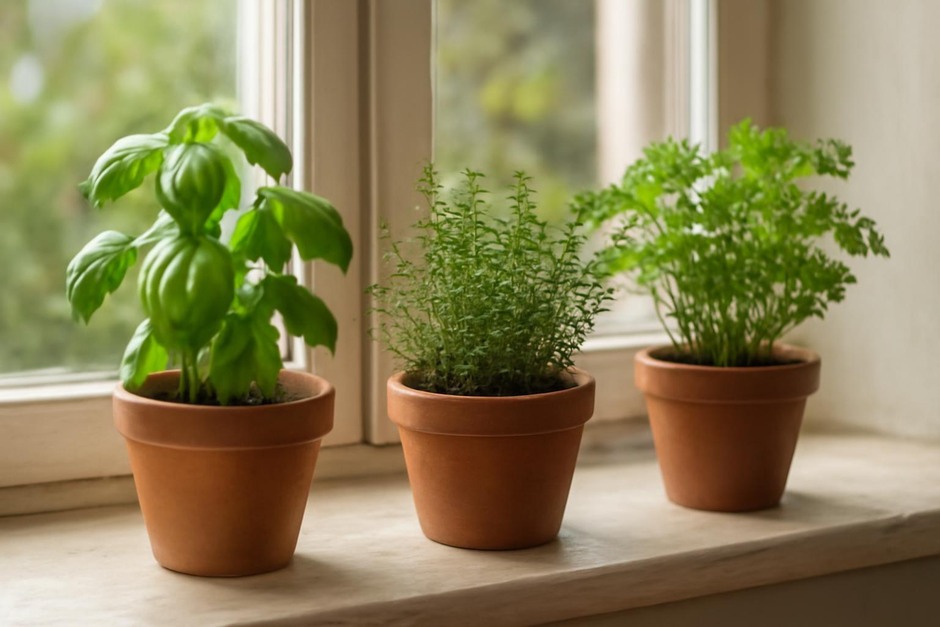
It is striking how a single sprig of rosemary on a windowsill can feel like a bridge between eras. Small household gardens—especially herbs—have shaped daily life for centuries, informing cooking, scenting the home, and connecting families to the seasons. Today, with less yard space but the same appetite for fresh flavor and simple rituals, the cottage herb garden adapts to pots, rail planters, and sunny sills.
From kitchen plots to windowsill pots: a brief historical sketch
Herb-growing in and around homes has deep roots. In medieval Europe, the kitchen garden—often called a hortus—was a compact area where herbs, vegetables, and medicinal plants grew within reach. These gardens combined practical needs with symbolic meanings; rosemary and bay were as much about memory and protection as seasoning. Through early modern times, the cottage garden became an informal tapestry of utility and aesthetic: culinary herbs next to flowers, with plants chosen for multiple uses.
By the 19th and 20th centuries, urbanization and changing household roles shifted gardening toward ornamental landscaping and allotments. Still, the habit of keeping a few indispensable herbs near the house persisted—basil on a sill, thyme by the stove—because it was efficient and comforting. That continuity explains why a compact herb patch feels so familiar even today.
Plants with a past: herbs that carried households
Some herbs recur in historical records for their versatility and ease of growth. Parsley, thyme, sage, rosemary, and mint were staples because they adapted to many soils and uses. Parsley served as a garnish and digestive aid; thyme was valued for its scent and drying properties; sage for strong flavor and long shelf life. Mint spread easily and often marked boundaries and pathways. Choosing herbs that have a history in household gardens is both practical and evocative: they prosper in small containers, supply frequent kitchen needs, and connect you to centuries of domestic practice.
Consider also culinary and aromatic pairings that were common historically—rosemary with roasted foods, basil with fresh tomatoes (a later but classic pairing), and chives for onion flavor. These combinations inform how to organize a compact garden to maximize use and pleasure.
Designing a tiny herb plot for present-day routines
Translating cottage-garden principles to a modern flat or balcony means prioritizing accessibility and multi-function. Start with sun: most culinary herbs prefer a bright, south- or west-facing spot. If you have limited light, choose shade-tolerant options like parsley and mint.
- Plan by reach: keep frequently used herbs—basil, parsley, chives—closest to the kitchen door or on the sill you pass most.
- Group by water needs: pair thirsty plants together (basil and parsley) and keep drought-tolerant ones (rosemary, thyme) in their own pot to avoid overwatering.
- Use mixed containers: a long windowbox can host complementary plants; small terracotta pots are breathable for Mediterranean herbs; self-watering pots are helpful if you travel.
- Think vertical: rail planters and hanging pots expand capacity without consuming counter space.
Beyond structure, consider rituals: a weekly pruning session mirrors how cottage gardeners harvested regularly to promote growth. Keep a small jar for kitchen trimmings to compost or steep into simple syrups—practices that reconnect you to older domestic rhythms without consuming much time.
Care routines that echo tradition
Historic household gardens were maintained through simple, repeatable tasks rather than elaborate interventions. For a modern small herb garden, adopt a few of those modest routines.
- Regular harvesting: pinch or cut herbs frequently to encourage bushier growth. This mimics the constant use in historic kitchens and reduces waste.
- Light feeding: a mild liquid fertilizer once a month during the growing season keeps potted herbs healthy—think of it as an occasional boost, not heavy feeding.
- Seasonal reset: in autumn, bring tender plants inside or take cuttings to overwinter; hardier herbs can be pruned back to prepare for cooler months.
- Observe and adapt: historic gardeners adjusted by watching plants. If a particular herb sulks on your sill, try a different pot, more drainage, or move it to a brighter spot.
These small acts—pruning, moving pots with the light, tasting as you cook—are the living heritage of household gardens. They ask for attention, not perfection.
Conclusion
The modest herb patch is an enduring domestic practice, one that carried practical needs and quiet rituals across centuries. By choosing resilient, historically familiar plants and arranging them for daily use, you recreate a cottage-garden sensibility in a modern footprint. The result is not only fresher food and scent but a small, repeated habit that roots daily life in a longer human story: a rosemary sprig, a handful of chives, a ritual of cutting and cooking that connects the ordinary present to a tradition of resourceful domestic care.